RSS

Ottawa Real Estate-November Stats and Facts (2021)

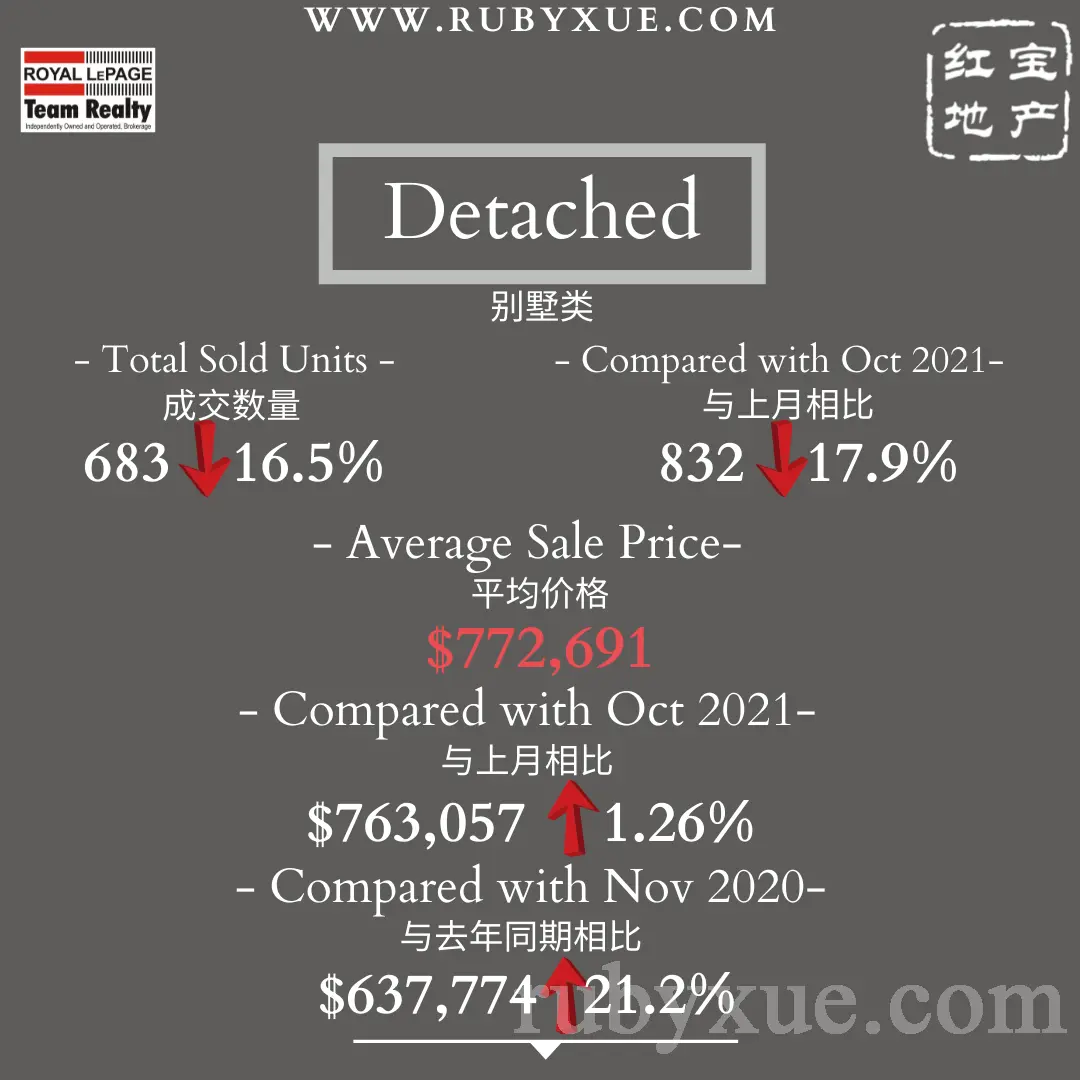
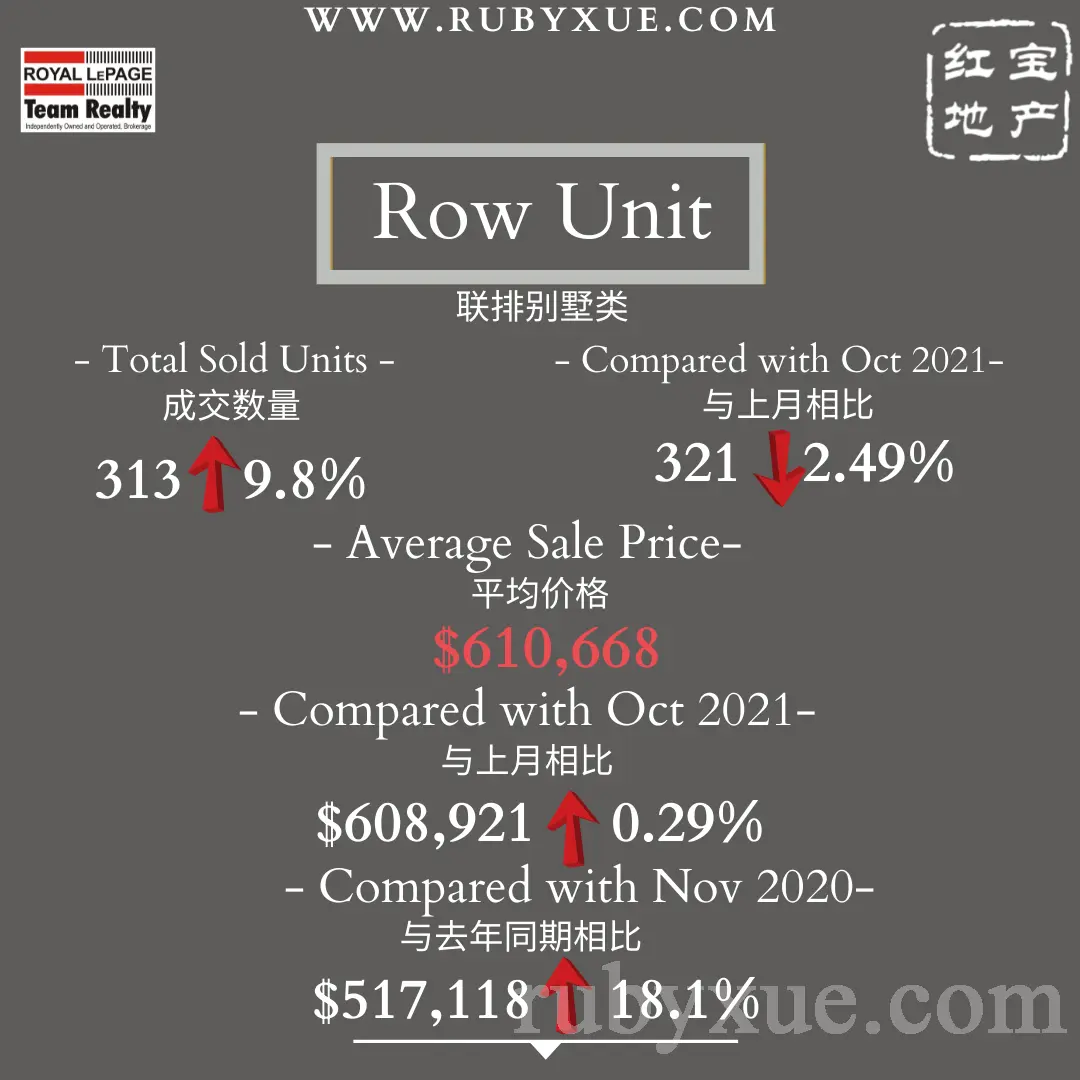
Members of the Ottawa Real Estate Board sold 1,459 residential properties in November through the Board’s Multiple Listing Service® System, compared with 1,605 in November 2020, a decrease of 9 per cent. November’s sales included 1,086 in the residential-property class, down 10 per cent from a year ago, and 373 in the condominium-property category, a decrease of 7 per cent from November 2020. The five-year average for total unit sales in November is 1,348.

“Although the resale transactions in November were down compared to a year ago, this is because 2020’s peak market activity shifted to later in the year due to the initial pandemic lockdown. In reality, November’s unit sales tracked 14% higher than 2019 (1,284), a more relevant base year for comparison,” states Ottawa Real Estate Board President Debra Wright.

“Furthermore, the number of properties that changed hands in November was 8% higher than the five-year average. And we also see an 8% increase in year-to-date sales over 2020, so it is fair to say that the resale market remains active and brisk.”

The average sale price for a condominium-class property in November was $432,099, an increase of 19 per cent from 2020, and the average sale price for a residential-class property was $716,992, also increasing 19 per cent from a year ago.With year-to-date average sale prices at $719,956 for residential and $420,762 for condominiums, these values represent a 24 per cent and 16 percent increase over 2020, respectively.*

“Despite significant increases in average prices over November 2020, month-to-month price accelerations have tapered off slightly, with average prices for residential units on par with October’s and condo average prices increasing by 7%. This is a far better situation than the monthly price escalations we had seen in the first quarter of 2021,” suggests Wright. “However, there is no question that supply constraints will continue to place upward pressure on prices until that is remedied.”

“While the drop in volume of new listings is typical for November, our inventory, at one month’s supply, is much lower than it should be. 1,430 new listings entered the market last month, a 27% decrease from October (1,960) and 13% less than last November (1,635). While still 30 or so units over the five-year listing average, this is simply not sustainable and is taking us further away from the balanced market that will bring much-needed relief to potential Buyers,” Wright cautions.

“Whether you are on the buying or selling side of the transaction, this is not the occasion to go at it alone and hope for the best. An experienced REALTOR® is vital in navigating the challenges of this complex market to ensure you are making the optimal choices for what may be the most critical contract you will sign and remain obligated to for the next 20 to 30 years.”

OREB Members also assisted clients with renting 4,458 properties since the beginning of the year compared to 3,120 at this time last year.

(Source:OREB)

Read

Ottawa Real Estate-October Stats and Facts (2021)

October’s Resales Track a Traditional Cycle

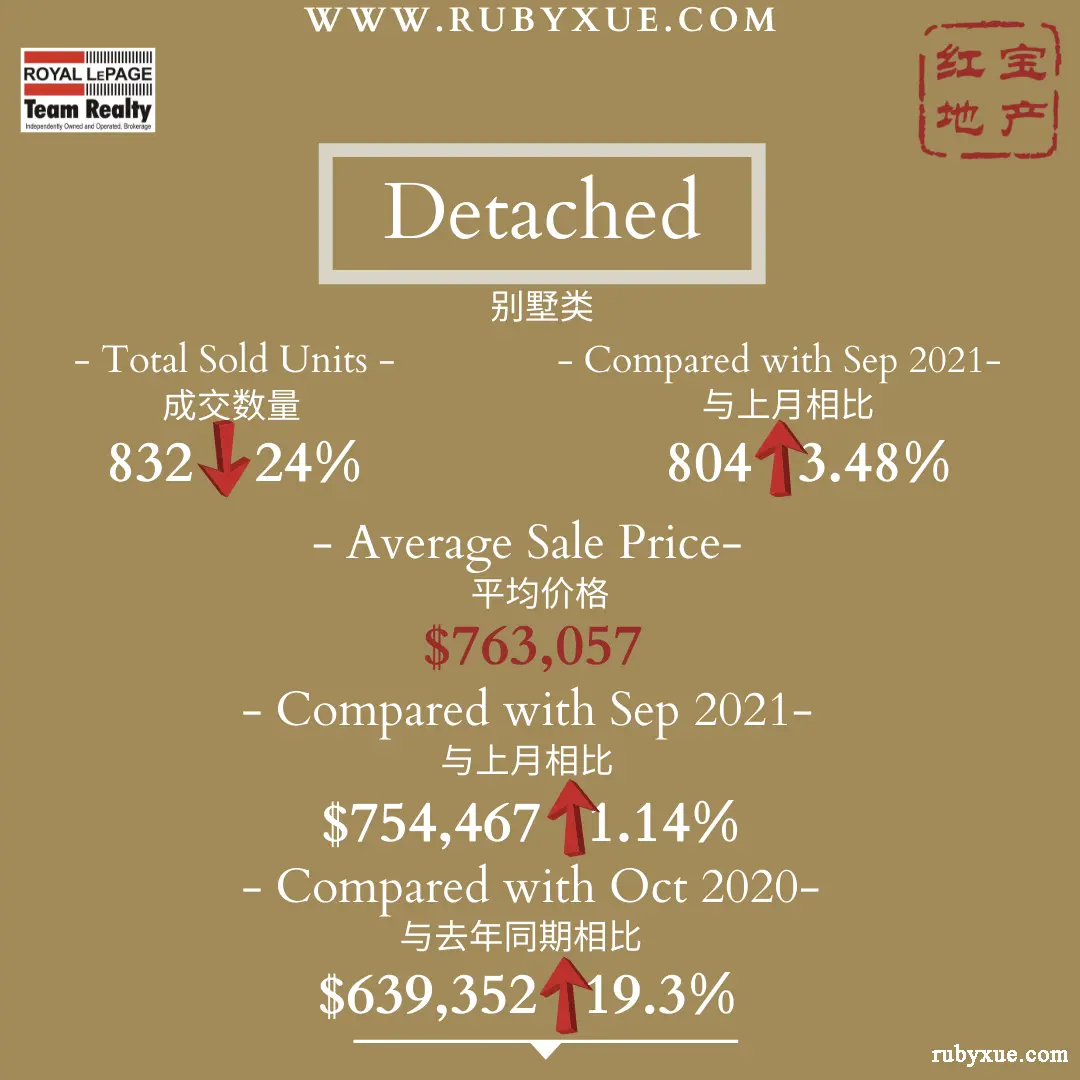
Members of the Ottawa Real Estate Board sold 1,677 residential properties in October through the Board’s Multiple Listing Service® System, compared with 2,132 in October 2020, a decrease of 21 per cent. October’s sales included 1,263 in the residential-property class, down 24 per cent from a year ago, and 414 in the condominium-property category, a decrease of 14 per cent from October 2020. The five-year average for total unit sales in October is 1,605.

“October’s resale market was active, busy, and stable – and followed the typical (pre-pandemic) ebb and flow that we commonly see as we enter the fall season,” states Ottawa Real Estate Board President Debra Wright. “The number of transactions increased slightly over September (1,607) as well as the 5-year average. The only reason we see a year-over-year decrease in comparison to last October is because 2020’s sales peak had shifted from the spring months to September/ October due to the initial Covid-19 lockdown.”

The average sale price for a condominium-class property in October was $404,760, an increase of 10 per cent from 2020, while the average sale price for a residential-class property was $716,378, an increase of 19 per cent from a year ago. With year-to-date average sale prices at $720,150 for residential and $419,515 for condominiums, these values represent a 24 per cent and 16 percent increase over 2020, respectively.*

“While the number of units sold followed the traditional trajectory, the lack of supply continues to put upward pressure on prices, which are holding strong and steadily increasing. Although there were 1,960 new listings in October, falling just under the 5-year average (1,974), it’s simply not enough. Inventory remains at a one-month supply for residential properties and 1.2 months for condominiums. The only way we will find balance in Ottawa’s market is to increase the housing stock exponentially.”

“Low inventory and a lack of suitable housing options restrict movement along the housing spectrum. Move-up buyers and downsizers have nowhere to go, so they stay in place, but we need that exchange of properties in the marketplace to free up supply for entry-level homebuyers,” Wright adds.

“Additionally, we have noticed a substantial increase in the number of rental transactions through the MLS® System, which could suggest that some of the properties have been purchased or held on to for investment purposes. This active rental market may be another contributing factor as to why there aren’t more properties coming onto the market for sale.”

OREB Members assisted clients with renting 4,012 properties since the beginning of the year compared to 2,829 at this time last year.

(SOURCE: OREB)
Read

Ottawa Real Estate-September Stats and Facts (2021)

A Normal September Resale Market

Members of the Ottawa Real Estate Board sold 1,607 residential properties in September through the Board’s Multiple Listing Service® System, compared with 2,314 in September 2020, a decrease of 31 per cent. September’s sales included 1,244 in the residential-property class, down 29 per cent from a year ago, and 363 in the condominium-property category, a decrease of 36 per cent from September 2020. The five-year average for total unit sales in September is 1,648.

“As per usual, the resale market in the early part of the month moved slowly due to the Labour Day holiday weekend and parents settling their children back into their school routines. Activity began to accelerate towards the end of the month, which is behaviour typical of the market in September,” states Ottawa Real Estate Board President Debra Wright.

“Although the statistics are showing a considerable year-over-year decrease in transactions, this anomaly is due to the shift of the 2020 market’s peak activity to the summer and fall months as a result of the initial Covid-19 lockdown last spring. If we look beyond the comparison to last year, the number of transactions in September was 4% higher than in 2019 (1,547) and 16% higher than 2018 (1,387),” she adds.

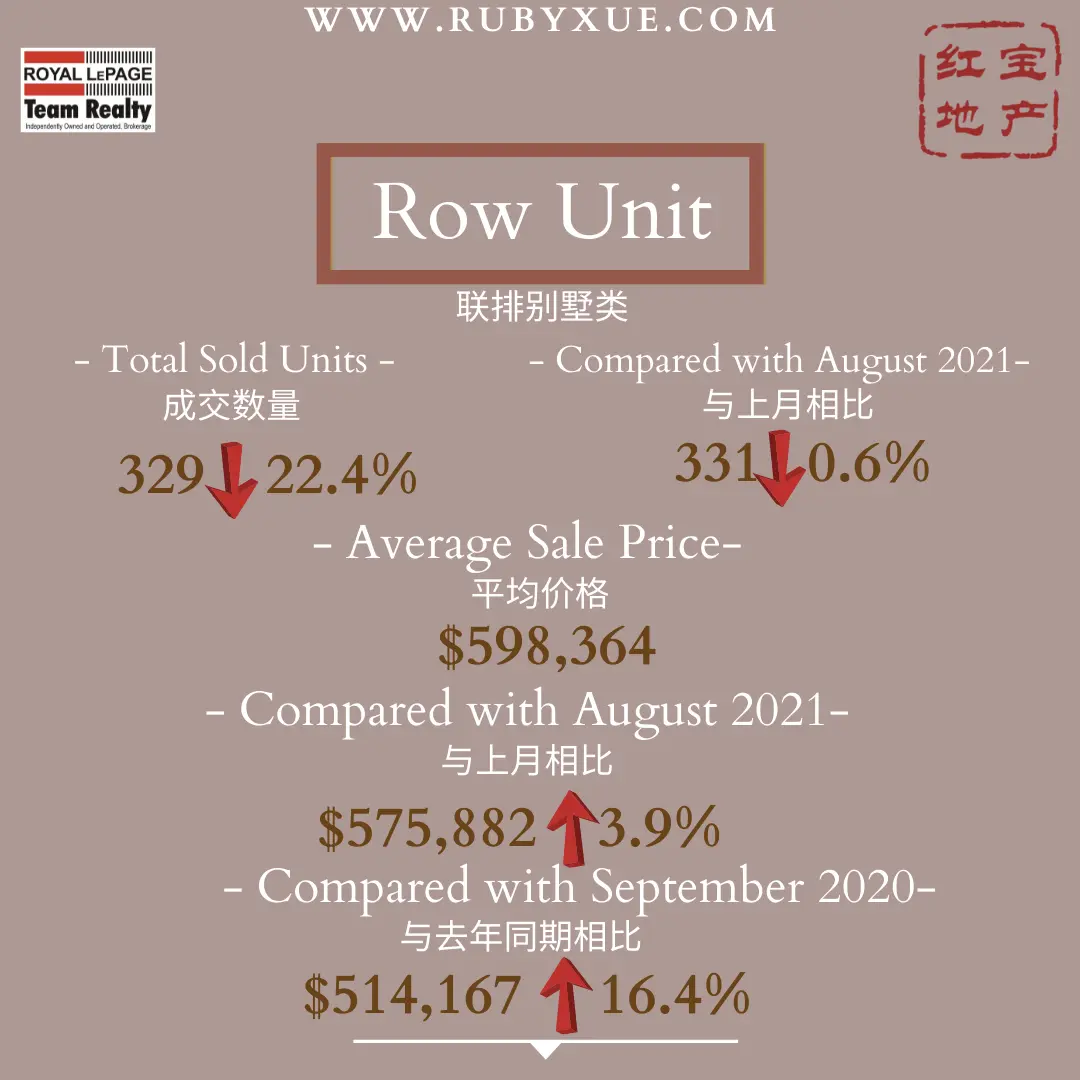
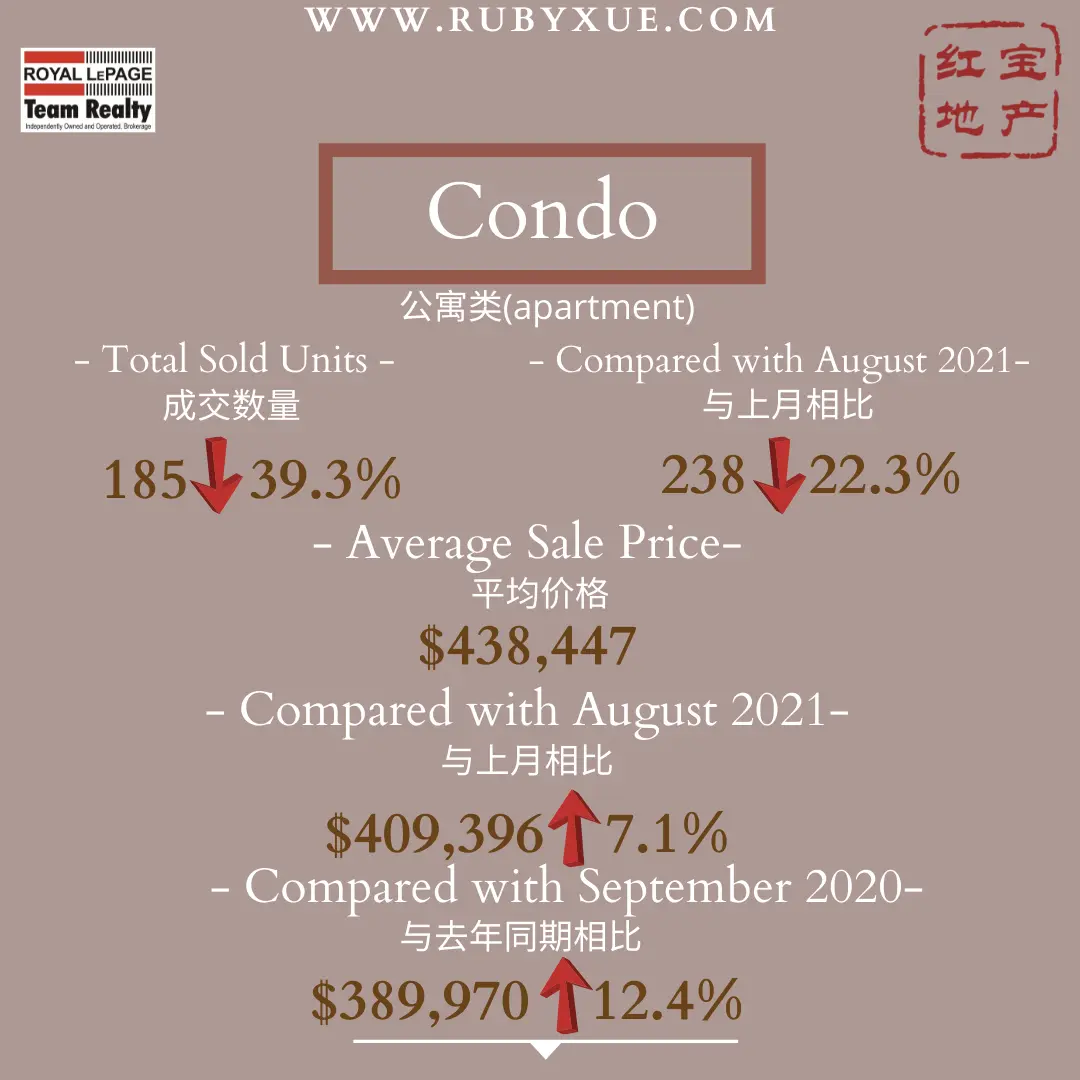
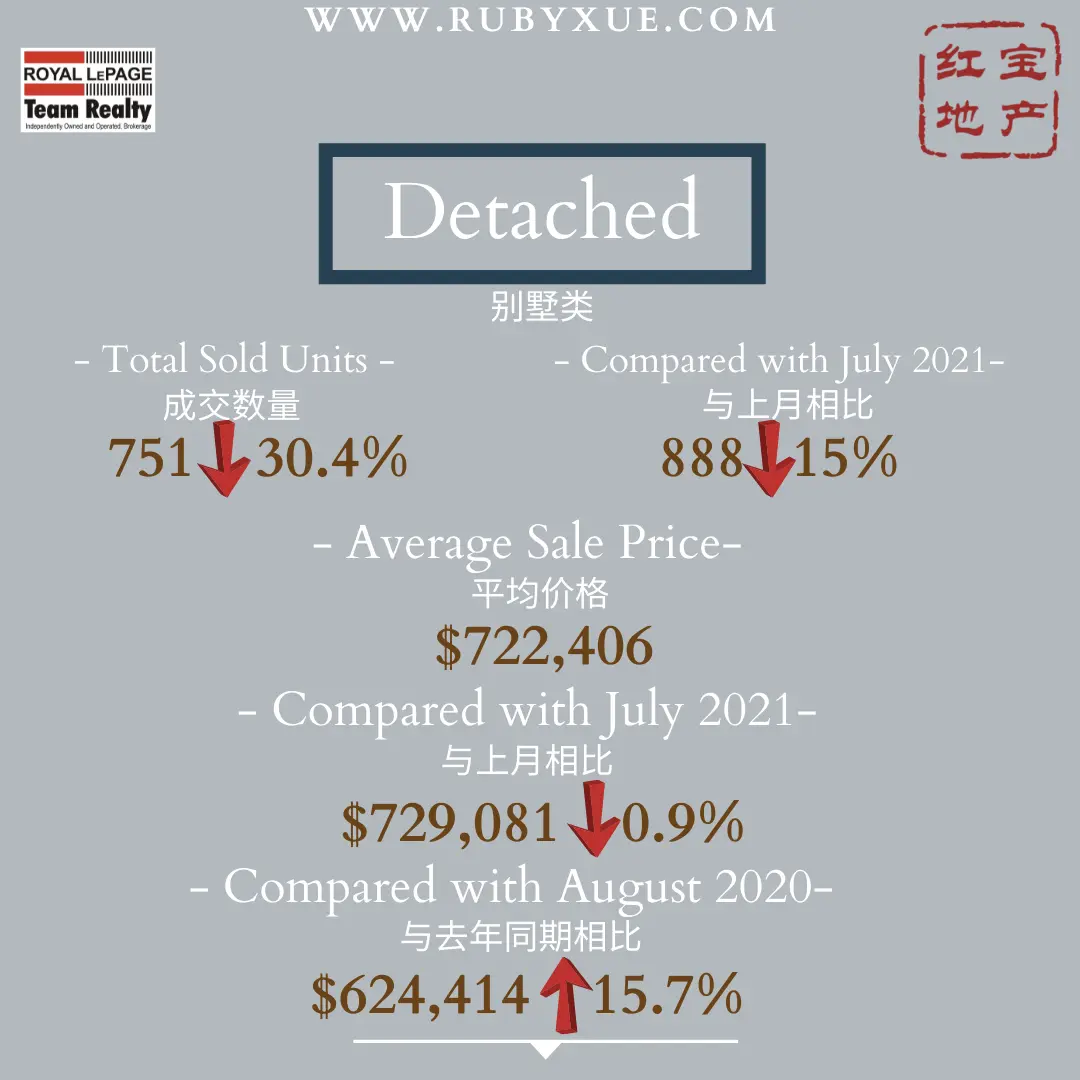
September’s average sale price for a condominium-class property was $425,362, an increase of 14 per cent from last year, while the average sale price for a residential-class property was $702,155, an increase of 13 per cent from a year ago.With year-to-date average sale prices at $720,492 for residential and $421,062 for condominiums, these values represent a 25 per cent and 17 percent increase over 2020, respectively.*

“House values are holding steady with a slight month-to-month increase (4-5%) in September and year-to-date average prices remaining strong for both residential and condo properties. Of course, these price escalations that we saw in the first quarter of 2021 and now recurring in September are inevitable given the supply challenges we have been experiencing for several years now combined with the unrelenting high demand,” Wright explains.

“While inventory has improved slightly from the pre-pandemic years (2017-2019), it is still the principal cause for concern with just over one month’s supply in the housing stock at this time. There were 2,252 new listings in September, an increase of 216 units over August; however, the number still falls beneath the five-year average and is much lower than this month in September 2020 (2,906).”

“With the election behind us, we hope the government will now concentrate on addressing supply issues and developing first-time homebuyer assistance touted in their reelection platform. Together with our REALTOR® Members and our provincial and federal counterparts, we will continue to advocate for availability and affordability in the Ottawa housing market and implore all three levels of government to implement effective measures to help all Canadians turn their homeownership dreams into reality,” Wright concludes.

OREB Members also assisted clients with renting 3,598 properties since the beginning of the year compared to 2,536 at this time last year.

Read

Ottawa Real Estate-August Stats and Facts (2021)

Members of the Ottawa Real Estate Board sold 1,572 residential properties in August through the Board’s Multiple Listing Service® System, compared with 2,006 in August 2020, a decrease of 22 per cent. August’s sales included 1,175 in the residential-property class, down 25 per cent from a year ago, and 397 in the condominium-property category, a decrease of 9 per cent from August 2020. The five-year average for total unit sales in August is 1,684.

“August’s unit sales followed a trajectory typical of the resale market’s summer months with a considerable decline in transactions compared to the spring and 9% fewer sales than in July (1,724). The number of properties changing hands was on par with August 2017 and 2018 figures. The reason we see a sharp decrease compared to last year’s numbers is due to the first wave lockdown in spring 2020, which shifted that market’s peak to the summer and fall months,” states Ottawa Real Estate Board President Debra Wright.

“Year-to-date resales are at 14,728 and are 24% higher than this period in 2020, which clearly indicates we are in the midst of another strong year in the Ottawa market,” she adds.

August’s average sale price for a condominium-class property was $407,148, an increase of 6 per cent from last year, while the average sale price for a residential-class property was $674,449, an increase of 14 per cent from a year ago.With year-to-date average sale prices at $722,526 for residential and $420,654 for condominiums, these values represent a 27 per cent and 18 percent increase over 2020, respectively.*

“Supply continues to remain scarce, and that is the driving factor behind these price increases. New listings were down 400 units from July and 500 units from last August and below the 5-year average for the first time this year since February. Although inventory is approximately 5-6% higher than last year for both residential and condominium property classes, we are only at about 1.5 months’ worth of housing stock. To achieve a balanced market, we need 4-6.5 months’ supply of inventory,” Wright points out.

“We are pleased to see that housing affordability and the supply shortage have been a predominant part of election conversations and federal party platform pledges – which is a step in the right direction. We look forward to the collaboration between municipal, provincial, and federal governments to establish measures which will effectively address these fundamental barriers to homeownership for all Canadians who desire to own a home.”

OREB Members also assisted clients with renting 3,182 properties since the beginning of the year compared to 2,232 at this time last year.

Read

Ottawa Real Estate-July Stats and Facts (2021)

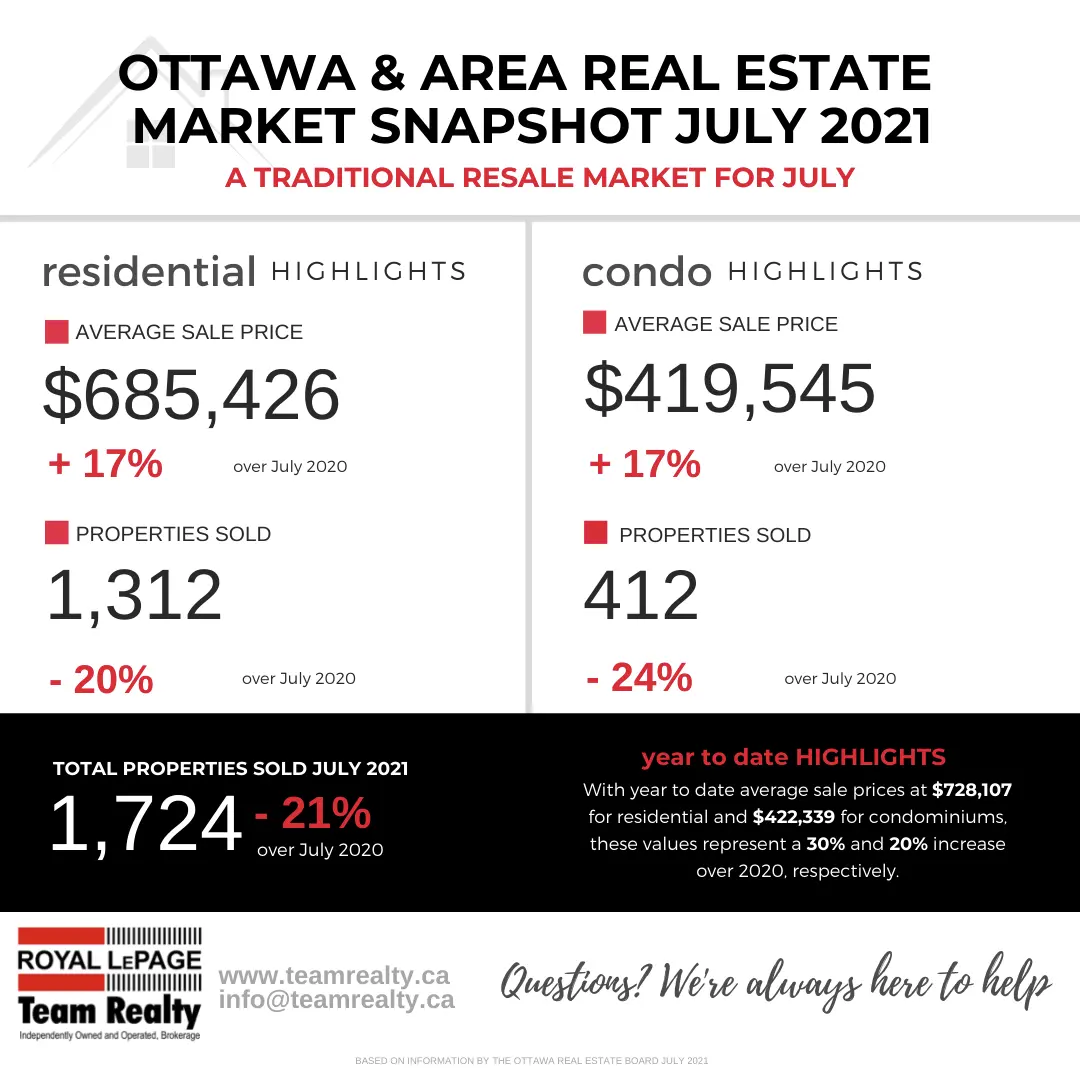
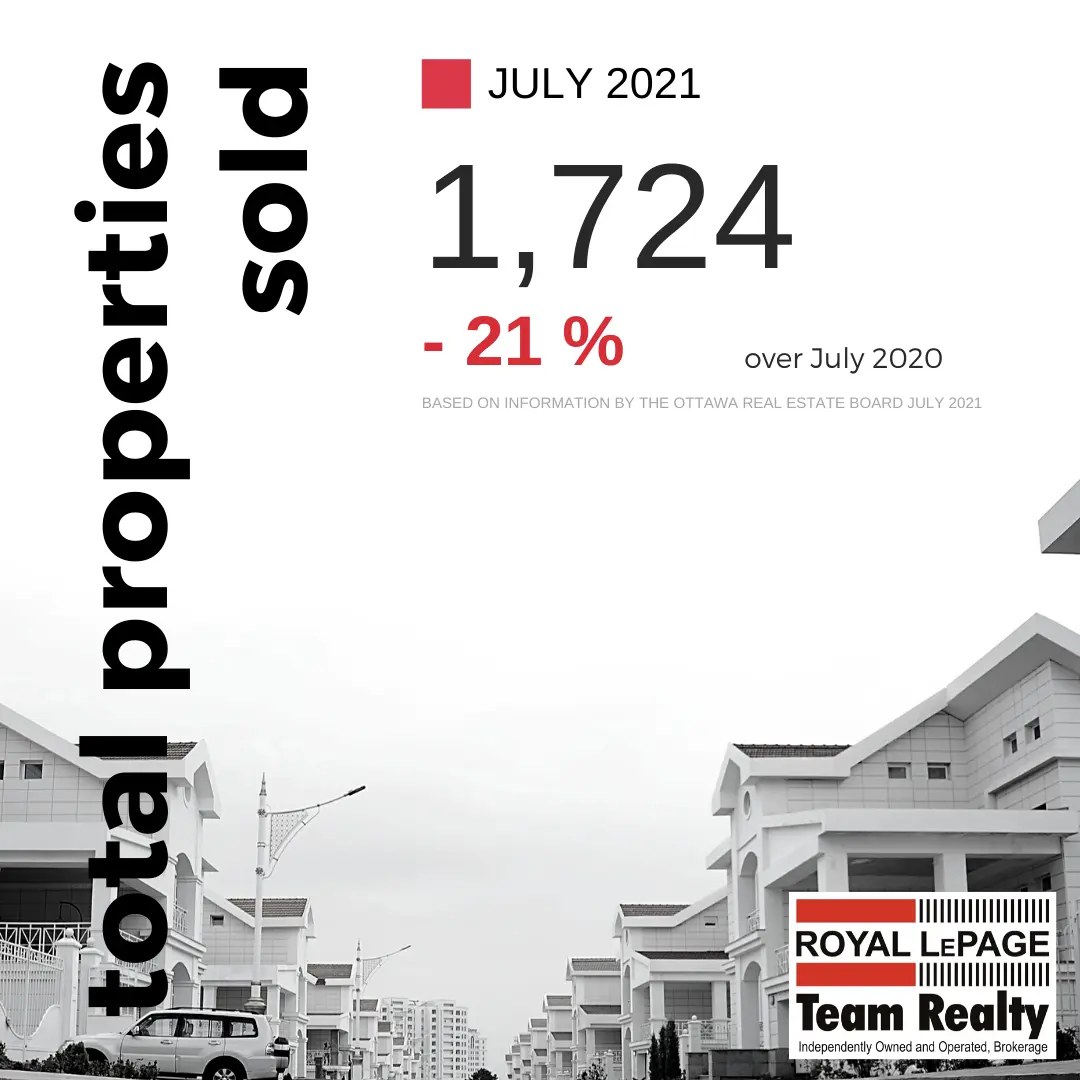
Members of the Ottawa Real Estate Board sold 1,724 residential properties in July through the Board’s Multiple Listing Service® System, compared with 2,183 in July 2020, a decrease of 21 per cent. July’s sales included 1,312 in the residential-property class, down 20 per cent from a year ago, and 412 in the condominium-property category, a decrease of 24 per cent from July 2020. The five-year average for total unit sales in July is 1,775.

“July’s unit sales followed the traditional cycle of the spring and summer markets, which tend to peak around April or May and then slow down as Buyers and Sellers turn their attention to their vacations and other outdoor recreational activities,” states Ottawa Real Estate Board President Debra Wright. “This year’s figure is closer to 2019’s (1,838 sales) and just shy of the 5-year average, with the slight decline in transactions perhaps due to the combination of summer and the reopening of the economy last month. Certainly, the marked decrease from last year’s July sales is due to the spring 2020 lockdown, which had shifted the 2020 resale market’s peak to the summer and fall months,” she adds.

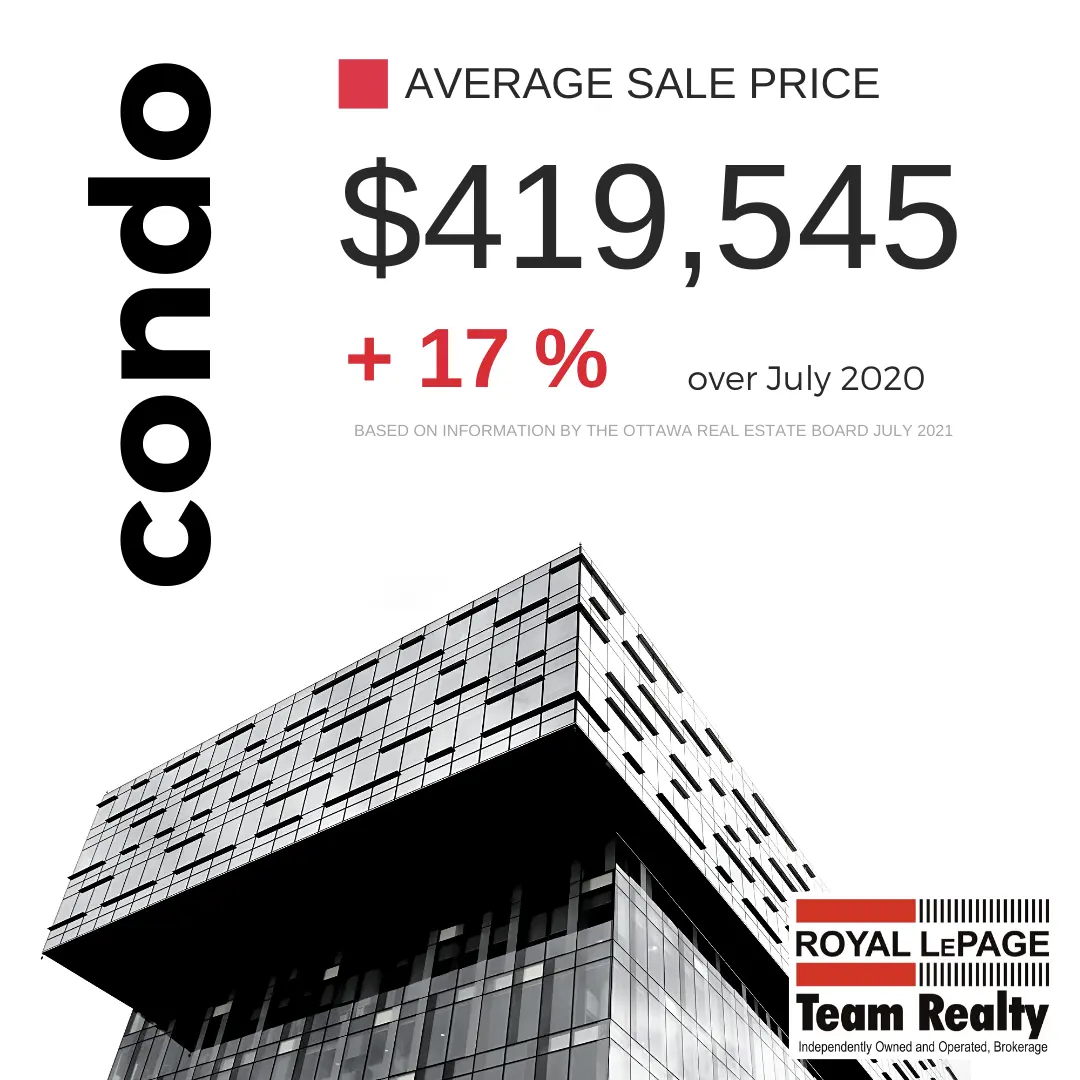
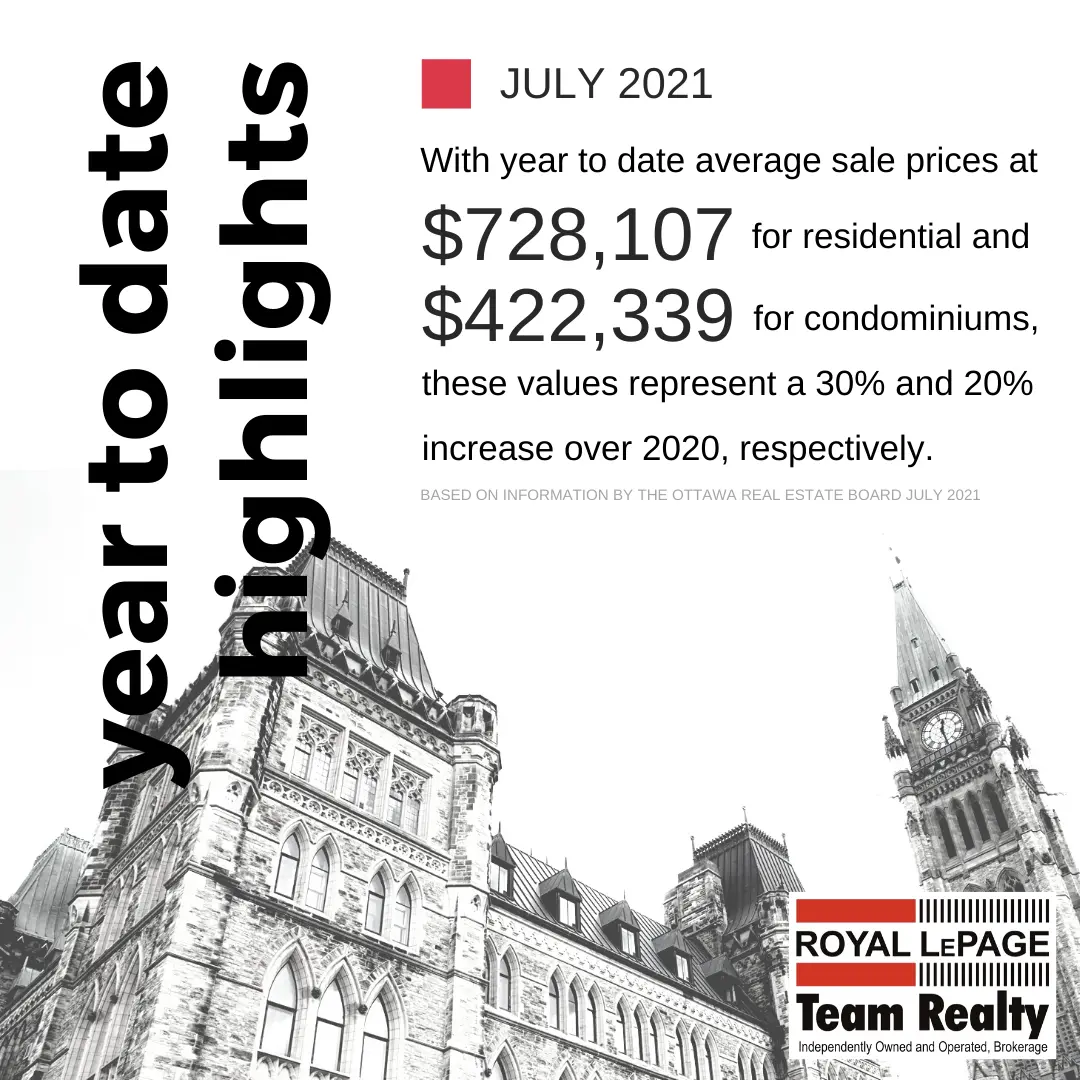
July’s average sale price for a condominium-class property was $419,545, an increase of 17 per cent from last year, while the average sale price for a residential-class property was $685,426, also an increase of 17 per cent from a year ago.With year-to-date average sale prices at $728,107 for residential and $422,339 for condominiums, these values represent a 30 per cent and 20 percent increase over 2020, respectively.*

“Following the same trend as sales, the month-to-month average prices decreased marginally by 4-6% compared to June; however, this minor dip is consistent to what typically happens during the summer months. Overall, average prices have increased considerably from 2020, and year-to-date values are holding steady. Still, Sellers will need to keep in mind that the multiple offer frenzy experienced previously is no longer the norm, and they may need to have more realistic expectations when positioning their homes and settling on a listing price with their REALTORS®.”

“We are seeing the housing stock increasing with residential inventory up 19% and condominium supply 23% higher than 2020. Although there were 700 fewer listings than in June, the number of properties that entered the market in July is over the five-year average by approximately 114 units. Along with the price stabilizations, we hope this may indicate that Ottawa’s resale market is moving towards a more balanced state, which would be good for everyone,” suggests Wright.

“Established in 1921, on July 9th, the Ottawa Real Estate Board commemorated 100 years of helping our neighbours, friends, and fellow residents buy and sell their homes, cottages and investment properties. Over the past century, our Board has advocated for affordable and attainable homes, as well as a range of housing options for seniors, first-time homebuyers and everyone in between. We pledge to continue this endeavour for our future clients in the years to come. On behalf of the Ottawa Real Estate Board and our 3,500 REALTOR® Members, I would like to extend my heartfelt gratitude to all of you who have put your trust in us to help you make your real estate dreams come true. We hope to continue to serve our communities for the next 100 years and beyond.”

(Source: OREB)

Read

Ottawa Real Estate-June Stats and Facts (2021)

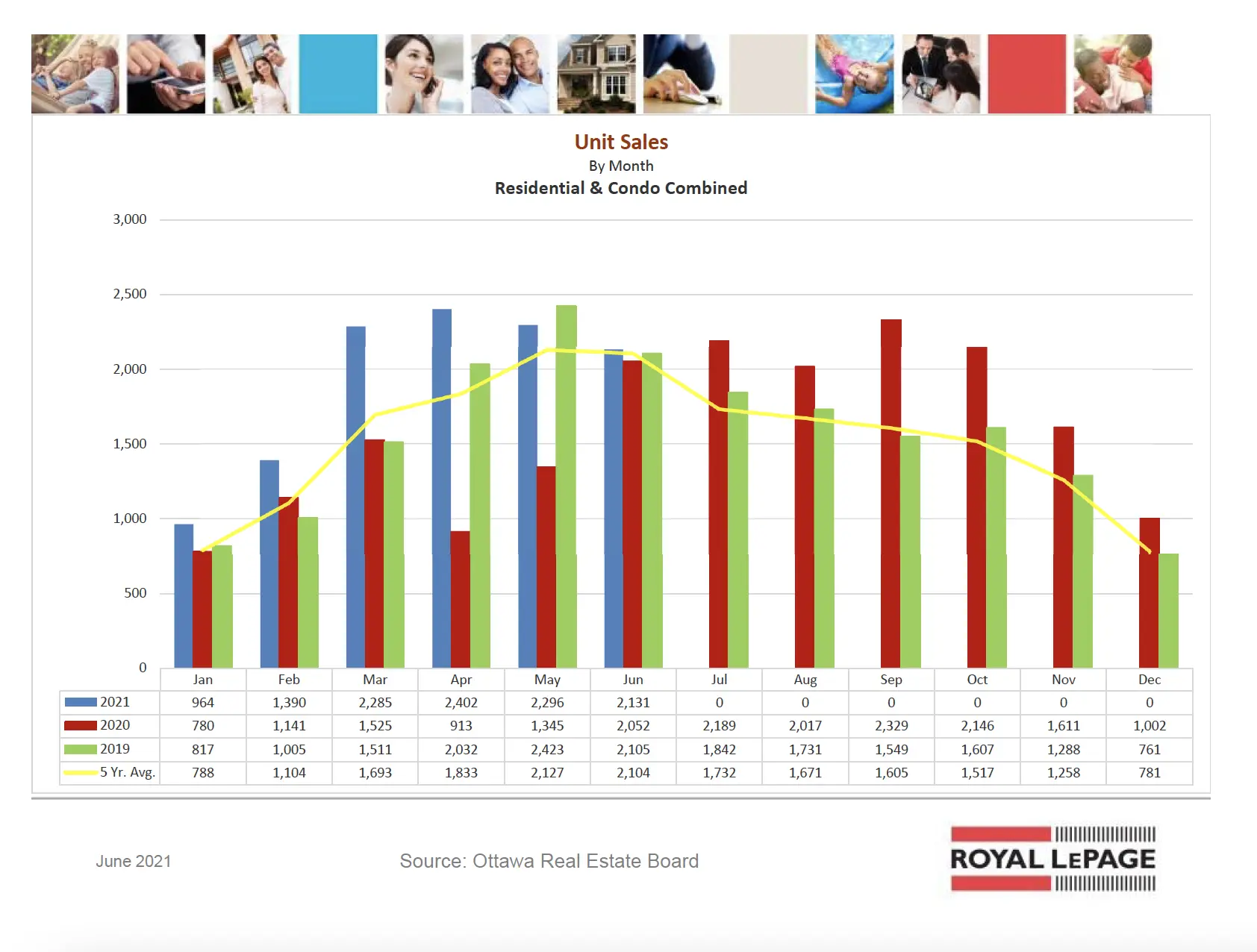
Members of the Ottawa Real Estate Board sold 2,131 residential properties in June through the Board’s Multiple Listing Service® System, compared with 2,038 in June 2020, an increase of 5 per cent. June’s sales included 1,647 in the residential-property class, up 2 per cent from a year ago, and 484 in the condominium-property category, an increase of 13 per cent from June 2020. The five-year average for total unit sales in June is 2,098.

“June’s resale market performed similar to a typical (pre-pandemic) June, with unit sales on par with the five-year average and a lower volume of activity compared to May, particularly in the last two weeks of the month. This is a normal tapering off as families turn their attention to end of school events and enjoying more outdoor recreation. This year, it also coincided with some easing of pandemic restrictions,” states Ottawa Real Estate Board President Debra Wright. “It will be interesting to watch the market over the summer to see if this normalization of the real estate sales ebb and flow is indeed the case moving forward. Last year, summer resales skyrocketed due to pent-up demand when the first lockdown ended.”

“Year-to-date sales are tracking 48% higher than last year at this time with 11,446 properties changing hands and are 16-18% higher than 2018 and 2019. Much of this increase is due to the increased activity in the first five months of 2021 compared to previous years. We have also seen an instrumental increase in new listings this year, and inventory levels for both residential and condominiums are higher than we’ve seen since 2017. However, we are still at a one month supply of housing stock, so we aren’t out of the woods yet.”

June’s average sale price for a condominium-class property was $435,198, an increase of 21 per cent from last year, while the average sale price for a residential-class property was $725,970, an increase of 26 per cent from a year ago.With year-to-date average sale prices at $734,357 for residential and $422,734 for condominiums, these values represent a 33 per cent and 20 percent increase over 2020, respectively.*

“For the moment, there are signs that we’ve reached a levelling out, especially as it relates to average prices which, in recent months, have not experienced the drastic increases of earlier in 2021, nor are we seeing a drop,” notes Wright.

“Properties are not moving as quickly as they were. Inventory has picked up; there is less scarcity and more choices – consequently, less upward pressure on prices. Additionally, we are noticing fewer of the multiple offer frenzy situations. Of course, many properties do still have multiple offers, but our REALTORS® are noticing that there are less of them on offer day.”

“This start of a perhaps equilibrium in the market is good news for Buyers, while Sellers are going to have to adjust to this new normal and be more strategic in their positioning. Whichever side of the transaction you are on, you will bode well by listening and heeding the advice of a professional REALTOR® who has their pulse on the day-to-day variabilities Ottawa’s resale market is experiencing,” Wright suggests.

(Source: OREB)
Read

Ottawa Real Estate-March Stats and Facts (2021)

Members of the Ottawa Real Estate Board sold 2,285 residential properties in March through the Board’s Multiple Listing Service® System, compared with 1,514 in March 2020, an increase of 51 per cent. March’s sales included 1,705 in the residential-property class, up 47 per cent from a year ago, and 580 in the condominium-property category, an increase of 65 per cent from March 2020. The five-year average for total unit sales in March is 1,688.

“A few factors contributed to the high number of resales in March,” states Ottawa Real Estate Board President Debra Wright. “Typically, real estate is heavily influenced by the weather, and we had remarkable and unseasonably warm temperatures last month, which facilitated Buyers’ ability to view and purchase homes.”

“Also, there was a significant uptick in the number of new listings that came onto the market. This total (2,798) was higher than the 5-year listing average, which hadn’t happened since July 2020, when the first lockdown ended. Ongoing pent-up Buyer demand meant that most of the properties that came on the market in March were quickly acquired.”

“Meanwhile, the 51% increase in transactions over last year can be attributed to the State of Emergency, which commenced mid-March 2020 and impacted overall sales that month. Measuring against a drastically reduced comparable made this year’s figure jump,” Wright points out.

“Although the percentage of sales comparison may be somewhat skewed, multiple offers scenarios are undoubtedly escalating property values. Statistics show that in March 2021, almost 80% of the resales in the Ottawa area sold for more than the asking price compared to 60% at this time last year. However, this is not the case in every instance and the balance sold with 6% selling at the list price and the other 14% selling for less than the list price.”

March’s average sale price for a condominium-class property was $437,041, an increase of 18 per cent from last year, while the average sale price for a residential-class property was $758,802, an increase of 35 per cent from a year ago.With year-to-date average sale prices at $729,897 for residential and $415,054 for condominiums, these values represent a 32 per cent and 17 percent increase over 2020, respectively.*

“These accelerated price growths are purely a result of long-term inventory shortage. I don’t believe that Ottawa’s market is by any means out of control but rather is coming into its own. However, until there is action at all three levels of government to resolve our supply challenges, our housing prices are not going to stabilize. And this phenomenon is not occurring in our market alone; housing stock scarcity is a nation-wide issue.”

“We have already seen an upturn in new listings coming onto the market, and we are hopeful this trend will continue. In fact, there may be some pent-up supply as Sellers have held back during the pandemic even though the market has been more active than expected throughout.” 

“Sellers will benefit from the advice of a REALTOR® who can ensure they are marketing and pricing their properties competitively and strategically. At the same time, Buyers continue to be challenged with a shortage of offerings and need to be equally strategic with the guidance of their REALTOR®,” Wright concludes.

OREB Members also assisted clients with renting 1,079 properties since the beginning of the year compared to 746 at this time last year.

(Source:OREB)
Read

Ottawa Real Estate-February Stats and Facts (2021)

Members of the Ottawa Real Estate Board sold 1,390 residential properties in February through the Board’s Multiple Listing Service® System, compared with 1,134 in February 2020, an increase of 23 per cent. February’s sales included 1,028 in the residential-property class, up 24 per cent from a year ago, and 362 in the condominium-property category, an increase of 19 per cent from February 2020. The five-year average for total unit sales in February is 1,101.

“Resale properties are virtually flying off the shelves,” states Ottawa Real Estate Board President Debra Wright. “Even though our inventory is significantly lower than 2020 – a combined 46% decrease in housing stock for residential and condos – we witnessed a record number of sales in February 2021. How is that possible? Simply put, properties that come onto the market are selling very quickly.”

“With less than a month’s supply in both categories, residential homes, in particular, are experiencing the quickest turnarounds. This is evidenced in the sharp decline of Days on Market (DOM) from 30 days in February 2020 to 14 days last month. Interestingly, DOM for the condo market has gone up slightly from 19 to 22 days, likely due to the fact that the condo market was thriving and moving very quickly prior to the pandemic spread in Canada. We saw Buyer desire for more house space dampen that market temporarily; however, it is clear the condo market has stabilized and is starting to rebound with a 19% increase in transactions compared to last year at this time.”

February’s average sale price for a condominium-class property was $407,671, an increase of 17 per cent from last year, while the average sale price of a residential-class property was $717,914, an increase of 27 per cent from a year ago.With year-to-date average sale prices at $701,778 for residential and $395,496 for condominiums, these values represent a 29 per cent and 15 percent increase over 2020, respectively.*

“With supply constraints continuing to place upward pressure on pricing, there is no doubt that this economic fundamental is driving the price increases. This is also reflected in February’s total sales volume for residential and condos, which combined was at $885,592,105, 54% higher than the same month in 2020. There is no denying that scarcity is leading to a more rapid price acceleration. This scarcity combined with Buyers’ willingness to pay and compete in this market will continue to drive up the sales prices,” Wright asserts.

“The upcoming spring market will bring more listings and increased inventory; however, the question is whether it will be enough to meet demand. Having a sound strategy, whether you are buying or selling, is the key to success. In this complex and fast-paced market, it is essential to utilize the skills and experience of a REALTOR® with negotiation skills and the market knowledge to act quickly on your behalf.”

“Did you know they also help tenants locate rental accommodations in addition to assisting landlords in finding tenants? Ottawa’s vacancy rates have soared due to the lack of immigration, visiting student populations, decline in Airbnb, etc. There are many good quality rentals out there, and a REALTOR® can help you find one whether you are selling and prefer to rent or searching for a different location,” Wright concludes.

OREB Members assisted clients with renting 674 properties since the beginning of the year compared to 498 at this time last year.

(Source:OREB)
Read

Ottawa Real Estate-January Stats and Facts (2021)

Members of the Ottawa Real Estate Board sold 964 residential properties in January through the Board’s Multiple Listing Service® System, compared with 778 in January 2020, an increase of 24 per cent. January’s sales included 674 in the residential-property class, up 21 per cent from a year ago, and 290 in the condominium-property category, an increase of 31 per cent from January 2020. The five-year average for total unit sales in January is 786.

“Pent-up Buyer demand fueled the exceptional number of sales that took place in January even as the mid-month lockdown further restricted supply. Earlier in the month, listing activity increased, likely driven by those Sellers waiting until after the holiday season to put their properties on the market. However, once the Stay-at-Home Order was announced, Sellers pulled back (rightfully so) and the number of properties entering the market declined,” states Ottawa Real Estate Board President Debra Wright.

“Even though inventory is up from last month, it is still down substantially from last year at this time with 43% fewer properties on the market. This inventory shortage coupled with strong demand triggered a brisk pace to the market. We would have certainly seen higher sales numbers if there were more properties available because the demand is definitely there.”

January’s average sale price for a condominium-class property was $380,336, an increase of 13 per cent from last year, while the average sale price of a residential-class property was $677,197, an increase of 31 per cent from a year ago. Compared to December, the average price for residential-class properties has increased by 12 per cent, and the average price for condominium-class units is 7 per cent higher.*

“I would like to caution those looking at the increase in average prices this month and believing that property values are accelerating at an extreme pace. In January, there was considerable movement in the upper end of the market, which caused a bit of an anomalous outcome in average price percentages. For example, there were 63 sales in the $1M+ price range, while last year at this time, there were only 16 transactions. Sustained price movements are better reflected during the mid to latter part of the year, where trends begin to emerge, and comparisons can be drawn,” advises Wright.

“This leads me into my next point – market activity has curtailed, there is no question about that, with January resale numbers lower than what we saw in December. But the effects of this second lockdown will not be entirely measurable until the coming months, dependent on when the mandated Stay-at-Home Order is retracted. If the lockdown is extended, that could affect the market in the longer term; however, as we saw last year, the market was resilient throughout and is being driven by the needs of Buyers and Sellers,” Wright concludes.

In addition to residential sales, OREB Members assisted clients with renting 333 properties in January 2021 compared with 243 in January 2020.

(Source:OREB)
Read
This website may only be used by consumers that have a bona fide interest in the purchase, sale, or lease of real estate of the type being offered via the website. The data relating to real estate on this website comes in part from the MLS® Reciprocity program of the PropTx MLS®. The data is deemed reliable but is not guaranteed to be accurate.