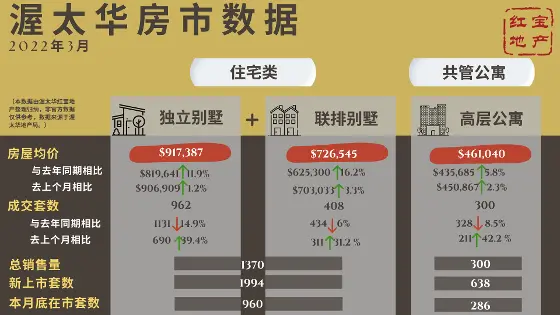
渥太华房市2022年3月数据报告


渥太华房市2022年2月报告,挂盘量与成交量大量增多,房价继续上升,央行的升息政策启动,初期反应并不明显.
刚刚出炉的渥太华地产数据显示,2022年渥太华的整体房屋均价为$837,517, 其中独立屋均价为$906,909, 这个价格比去年同期上涨18.3%,但仅比上个月就大幅上涨了11%. 2月联排屋的均价为$703,033, 比去年同期增长15.6%, 比一月增长3.3%.
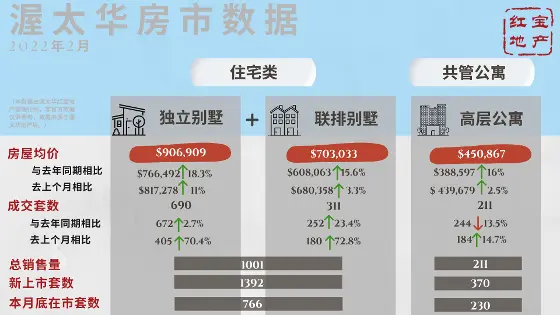
(数据来源:OREB,由渥太华红宝地产团队归纳总结,仅供参考)

仅仅是一个月的时间,独立屋涨了17.6%,联排涨6.69%,公寓涨14.3%,独立屋一个月的涨幅比过去一年还多,惊不惊喜,意不意外?!在这个房价上涨惊人的年代,说什么都是多余的.

如果你现在有能力买房,就不要等. 看现在的经济环境,房价一时半会儿停不下来. 就算未来政府打压政策什么的有变化,房价浮浮沉沉最后还是会继续涨. 毕竟现在房源供应和需要买房的人不成比例. 即便是买在高点,只要你不脱手,最后翻牌力量总是惊人的. 就像是去年在高点上买的人,今年一下子破涕为笑.
买房,要量力而行,从容入市,祝大家买的开心,卖的舒心!
(数据来源:OREB,由渥太华红宝地产团队归纳总结,仅供参考)

最近几年随着房屋市场的繁荣,很多房主的自住房都增了不少价值,这容许了房产业主去对自身生活条件做一些改善,去换一个更大的房子,最近我们有很多客人就是这种情况,自己打算或已经买了更大的房子,需要把目前的自住房卖掉。
卖家在卖自住房的时候肯定考虑到的第一个因素就是,我的房子能卖多少钱?卖房需要哪些费用?因为抛去所有费用后剩到手里的钱至关重要,这决定了业主下一个房子可以支付到多少首付,以及可以花费多少去升级。
那么今天我就来和业主们算一下卖房子的帐以及卖房之前的准备和相应程序。
首先业主最需要关心的是,我的房子能卖到多少钱。 纵观目前繁荣的房产交易市场, 有的房子可以卖出惊爆价,有的房子却默默无闻,有的房子在市场上的观看率及点击率应接不暇,有的房子却被买家一带而过。
对于一个房子来说,在挂盘期间的受关注度,决定了可以卖到的价格。是不是能突破市场极限?是不是可以甚至超过卖家的预期? 这些都和在市场上的表现息息相关。
谈到市场上的表现,很多卖家会不解,为什么我的房子这么好,却卖不到别人的那么高?为什么我的房子有这样那样的优势,却得不到买家的认可,拿到的offer低于预期或者offer数量少导致价格上不去?
这里的奥秘就涉及到我们团队的专业了,卖房前的相应准备至关重要,如何准备才能天衣无缝,如何定价才能把市场上买家的眼光吸引过来,如何展示及谈判才能守住卖家的最大利益,这是Ruby团队经过多年挂盘经验及目前市场的众多挂盘历练才能总结出来的宝贵经验。
所有Ruby团队的挂牌,在市场上都是耀眼的,因为Ruby知道如何把房子的优势发挥出来,用最少的花费去换得最大的回报是Ruby最擅长的。 所以我们的挂盘,Ruby走访后会给卖家出一个完整的上盘前计划,从哪里需要做简单的装修,到每个房间物品的摆设等,事无巨细全部安排的妥妥当当。
无论是什么状态的房子,从房主把房子交到Ruby团队手上之后,Ruby团队都会确保房子在上市的时候变成一个明星,很多卖家在短暂的几周后都不敢相信这是自己曾经的家,翻天覆地的变化让卖家看到了希望,相信这是对卖家在换房过程中最大的解脱。
说到这里,卖家最关心的肯定还是费用问题。 渥太华目前标准的挂盘费用是5%,这其中包括卖家经纪的2.5%和买家经纪的2.5%,当然每栋房子的费用会根据所需准备时间和程序的不同,最终的挂盘费用会有些不同,最简单的方法就是拿起电话,打给Ruby的地产团队,一个简单的会面就会解决您所有的疑问。Ruby团队随时恭候您的委托!
( 本文由渥太华红宝地产团队原创,如需转载请标明出处)

渥太华的房市近些年一直排在加拿大各大城市的涨幅榜首,主要原因有两个,一是平均房价还在非常健康可支付范围,(截至到2019年10月,平均价格为$483,405),这个价格是一般工薪阶层可以接受的范围,投资者的风险也比较小的价位。二是渥太华的出租回报比较高,相对于大城市的出租房而言,渥太华买投资房完全可以做到以房养房,每月有正的现金流,而且渥太华近些年由于外来人口增多,空置率几乎为零,租金上升回报增高。
总体来说,地产投资的方式有很多种,其中一种最保险,入门级的投资是就做房东,用租金收入来抵消债务,从而用银行贷款的杠杆来翘起丰厚的回报。一般符合贷款条件的投资者只需要20%的房款首付,便可以拿到每年10%左右的投资回报,加上不动产的增值和稳定性,实数投资产品中的典范。今天这篇文章,RUBY XUE就以适合做出租房的角度出发,来和大家阐述一下,渥太华在哪里买投资房比较好?
说到方便出租的位置,我们不得不先说一下最近几年渥太华市政开发的第一大项目,轻轨工程。
轻轨工程缓解了渥太华一直以来拥挤的公共交通,大大提高了出行速度,线路和站点发布以后,沿线的房屋价格迅速上涨,这属于渥太华近百年以来除了经济调控因素以外的涨值外力。目前工程一期已经开始运营,二期工程也在紧锣密鼓的筹备当中,目前和未来的几年内,轻轨沿线将会是一个投资房选址的热点。大家熟悉的Confederation线路和Trillium线路,是一直以来公共交通的旧线路,沿线区域本来就属于成熟社区,价格增长的空间会少于新开发的区域,
今天,我们这篇文章就把重点放在全新开发的EXTENSION线路,来看看渥太华轻轨沿线的房产该怎样投资。
--------------------------------------------------------------------------------------------------------------------------
我们首先来看一下Confederation线路东线和西新增EXTENSION线路的站点:
East Extension, 新增5个站点:
MONTREAL---JEANNE D’ARC---PROM D’ ORLEANS---PLACE D’ ORLEANS---TRIM
West Extension,新增11个站点:
WESTBORO---DOMINION---CLEARY---NEW ORCHARD---LINCOLN FIELDS
从LINCOLN FIELDS分叉,继续西:QUEENVIEWS---PINCREST---BAYSHORE--- MOODIE
从LINCOLN FIELDS南下:IRIS---BASELINE
Trillium线South extension, 新增了6个站点:
从SOUTH KEYS分叉,继续西南下:SOUTH KEYS---UPLANDS---AIRPORT
从SOUTH KEYS继续南下:LEITRIM---EARL ARMSTRONG

东向的新增站点,从站名字上就可以看出是个讲法语较多的区,东区一直是法裔后代青睐的区,华人所占比例并不多,属几大卫星城中价格较低的区域。过去东区的房价一直偏低,其中的一个主要因素就是交通不是很便利,主干道只有174双车道高速及INNES ROAD,遇上上下班高峰,通往东区的路段异常拥挤。所以新的LRT轻轨线很大程度上解决了交通问题,对今后东区的发展有很大帮助。目前新增的轻轨站口,都是在原有公车快线上发展出来的,所以并没有很多区域很大程度上受到影响,但是在改善现状上做出了很大贡献。如果说受影响最大的区,应该是LRT东线的终点站TRIM周围。TRIM路周围目前是各大开发商开发的重点,大多数是新建房屋,价格都是开发商手里的一手价格, 随着轻轨线的成熟,这段区域的房价上涨空间会相对大。
东线再有一个可以投资的重点区域是BLAIR到MONTREAL RD中间的位置。这段位置多数是50年左右的老房子,之前的交通便利点只到BLAIR,随着LRT线路的贯通,这些老区的房屋增值空间也会有很大改观。
下面来看看西线情况。渥太华的西侧,一直以来都是渥太华的旺区,尤其是从市中心到WESTBORO一带一直以来都是地价最贵的区,交通快线也一直很便利,所以轻轨线对这段路房价的影响并不是很突出,相反那些之前并不受关注的一些区域,反倒会因为LRT轻轨的到来而异军突起。西线建议关注的是MOODY附近的区域,这段路之前的房价还处于低洼地带,但随着轻轨口的建成,高速新建的MOODY出口,DND国防部的搬入等因素,都会导致这段区域未来几年的发展迅速,可以关注并出手一些有潜力的地块。
最后来看看大家都关注的南线。要说轻轨最大的一个收益区域,莫属南区的RIVERSIDE SOUTH 及FINDLEY GREEK两个区域。自从2018年底市政公布通过TRILLIUM线路的延伸站点之后,RIVERSIDE SOUTH 在2019年异军突起,成为了各大卫星城中涨幅最大的区,FINDLEY GREEK也紧跟着沉冤昭雪,各大开发商纷纷开启了之前搁置很久的项目,目前两个区的新房建设开发的速度属全市第一,所有新盘都需要提前几天排队抢购,完全打破了之前的状态,所以说轻轨trillium线的公布,对于南部社区的发展起了巨大的改善作用,目前全市卫星城里最贵的TONWHOUSE就是出自于RIVERSIDE SOUTH区,随着LRT真正的建成通车,相信这里面的潜力是巨大的。
在地图上看,站口EARL ARMSTRONG到LEITRIM站点周围还没有被大量开发,目前2019年的开发商重点还在LIMEBANK一带,建议有投资打算的买家可以在这一带市场较低时的新盘或地块做做功课。
今天的轻轨线投资文章先告一段落,我是渥太华的金牌地产经纪人薛如冰,在渥太华学习及生活近20年,如果您需要在渥太华投资置业,非常高兴能为您在渥太华的房产投资助一臂之力。请大家关注我们的网站及微信平台,欢迎随时联系我们红宝地产。
(本文由渥太华红宝地产团队原创,如需转载请标明出处)

新房
首先我们来看下新房的好处:
1.配置颜色随你选。可添加个人喜好及个性元素。
2.可先上车后买票。即先付少量定金,余款及贷款事项可以暂缓办理,适合目前有少量资金却不符合贷款条件的买家。
3.上了船不怕水涨船高。用当下的价格去购买几年后的房产,在等待交房的几年跟上房产的涨幅。
再来看下新房有哪些坏处:
做投资的买家需要付消费税。开发商一般会在购房的时候问你是自住房还是出租房,如果是出租房买家需要付额外的税费。虽然在拿到租约之后房主可以申请退税,但需要做一些手续和额外资金。
设施不够完善。电器,遮光系统,空调,排水槽,庭院,栅栏等都需要逐一去完善,而且这些后期升级都不能够贷款,一般一个新房拿到手需要大约房价的10-20%去完善各种细节和装备。
需要大量的精力和时间去完善后期工程。从前期挑选升级和颜色搭配,到后期联系安装各项设备,完善庭院的花花草草,都需要买家劳心劳力。
二手房
那再看一下二手房有哪些好处呢:
真真切切。 供你挑选的房子真实的摆在你面前,从坐地位置朝向,周围环境到外观及内饰,一目了然的摆在你面前,可以直观的感受到房子是否喜欢。
拎包入住。基本设施已经完善,不需要额外添加大量资金,保护买家现金流。
活在当下。一般市面上在卖的二手房都可以在短期内交房,可以尽快解决住房问题。
社区完善,位置优越。一般二手房的街道已经是家家户户门前美化过的状态,而且位置也会较新房更接近社区商业中心。
二手房又有哪些坏处呢?
设备老化。 一般在渥太华的房屋一些机电设备是有寿命的,到了快接近破损的年龄就需要更换。比如屋顶的寿命一般是15年左右,暖炉和空调的寿命是15-20年,窗子的寿命也是在20年左右。
内饰陈旧。 现在的建筑市场五花八门,一般单单从建商使用的材料上就能看出房子的年代。二手房的风格会缺少些现代的元素。
看了上面的分析,您找到适合自己的房子了吗? 根据我们RUBY XUE地产的经验,如果您买房是用来投资,最好还是买二手房,一来可以节省后期设备完善的资金,二来可以节省自己的时间和经历。 如果您有任何关于买房的问题,欢迎随时联系我们,我们会面面俱到,为您提供真诚的地产交易服务。
(本文由渥太华红宝地产团队原创,如需转载,请标明出处)

渥太华的CONDO公寓市场,经历了过去几年的平淡期和饱和器,从2018年起渐渐变暖,到目前公寓价格交两年前平均已经上升超过20%,尤其2019年公寓涨值领跑其他种类的地产。目前一些位置优越的枪手楼盘,已经出现了挂一套抢一套的局面,价格上升显著。租盘的价格也上升飞快,而且空置率几乎为零。
那么是什么原因引起了公寓市场的变动呢?第一个主要原因应该归结于库存的减少。如果留意你会发现,渥太华的公寓市场有个断层,新建的楼盘在2015-2018年几乎寥寥无几,原因是2012年左右渥太华出现大量的公寓楼盘导致销售饱和,供应大于需求的结果就是公寓市场价格停滞不前甚至有些下滑,直到2018年存货逐渐被吸收,再加上渥太华外来人口迅速上涨,无论是出租还是购买,都出现了供不应求的局面。
第二个主要原因是可支付范围的变化。目前渥太华HOUSE的平均价格已经由两年前的均价30多万变为50万上下,从可支付范围的角度讲,公寓的平均价格价还在35万上下,这样也导致公寓的可承受投资者变多了。
第三个原因是出租投资回报的变化。过去渥太华的房屋市场,同等价位的联排别墅和公寓的租金价格几乎是一样的,但是公寓的支出需要每月的管理费用导致回报相对偏低,但是随着目前市场的移动,联排别墅的售价变高及公寓市场的租金上升,导致了公寓市场的投资回报上升,自然就会导致公寓的需求量上升。
其实归根结底都是供应的变化导致了市场情况的转变。自从渥太华的公寓市场货源紧缺后,开发商们纷纷抓住这个时机向市政提出滞留已久的开发申请,光2019年市政就颁发了大小8000多个建筑许可,这比过去几年的总合还多。
首先说明一下何为楼花。楼花是指尚未开工或完成的地产项目,开发商屏设计图纸和理念来进行销售的一个地产投资产品。这个阶段的房屋售价会低于未来交房时的价格,买家通过未来的涨值空间来获利。渥太华楼花两大特性:1.它的交割期长,适合手上有现金但现阶段不能进行贷款的买家。2. 具有投资杠杆,可用少量资金进入房市,提前买票去伴随市场的上涨而获利。
根据渥太华过去的公寓市场走向,RUBY的总结是并不是所有的楼花到最后都会赚到钱,或者说能赚到手的数目大不相同。面对这么多迎面而来的地产开发项目,要怎样挑选才能保证投资的回报值最大化呢?今天RUBYXUE地产来分享一下公寓楼花投资的秘诀。

1.位置位置位置
渥太华的市中心寸土寸金,可开发的土地非常有限,一些地标性的公寓建筑都是由大型的开发商经过很长时间的运作才能获得黄金位置的土地。一般近标志性建筑,近大学,近地铁口的大型楼盘都会是未来的焦点。
2.建筑的级别和售价
不同的开发商设计理念和建筑的标准不同,有的开发商内装选材非常出色,相对的售价就居高临下,而有的开发商比较亲民,价格适中,可接受人群范围大,未来无论出手或出租都相对容易,这样的楼花投资回报会高。
3.开发商的口碑和信誉
能做公寓开发的建筑商有很多,但过去的经验及实力早就了楼盘的质量和稳定性。 经验丰富的开发商会保证大楼建成后的质量,维修相对少,管理费也就相对有保障不会突然上涨很多。有信誉和经济实力的开发商也会保障投资的稳定性,不会因为开发商的资金周转问题而导致买家的投资计划更改,有的楼盘甚至在等待几年之后宣布取消,白白浪费了投资者的时间和精力,所以要在投资前做一下开发商的背景调查。
4.户型的选择
楼花是一种对未来产品的销售,买家买到的是一个契约,并看不到实物,所以买家需要对大楼的整体情况,周围环境情况,朝向,户型设计等进行一个全面的分析。
一般来讲一栋大楼的设计,有些户型是只针对投资者和租客来设计的,当然也有些自住需求的买家,需要的空间相对宽敞,对景色及朝向等的要求高于租客。如果投资是为了将来出租,而租客的人群范围多为单身的年轻人,适合选择面积相对小的户型。只要功能性一样,小面积的出租回报要高于舒适度高的户型。
5. 注意购房合同的细节
一般渥太华的大型楼盘,由于开发商想保证自己对楼盘价格的绝对控制,买家在正式交楼前是不允许转让的。如果是为了投机性的投资,并没有收房能力的买家,这点要在签合同前问清楚,是否能转让,需要多少费用,转让有什么条件,免得把自己置于进退两难的局面。
6.交楼的时间
一般大型楼盘从楼花开始发售起到交房需要4年左右的时间。小型的楼盘或别墅则需要1.5-2年左右。我建议投资的时候要根据自己的实际情况去判定,如果自己能贷到款所需的时间相对长,可以考虑投资交房时间长的楼盘。相对的如果能贷到款并有资金可持有一段时间再出手的,可以考虑投入较短的项目。但是要注意近期交房的项目价格可能还没有和目前拉开,所以要有准备先持有再抛出。
7.经纪人的优惠政策
一般开发商对交易量大的经纪人都会有相对的优惠条件,VIP待遇等,在投资之前最好联系一位信得过的经纪人,可以帮你分析一下楼盘的利弊和预测,而且也可以参与到经纪人能拿到的优惠中。在加拿大买家经纪是不需要任何费用的,可以避免走弯路又可能得到大量信息,找个适合自己的经纪人是投资当务之急。
(本文由渥太华红宝地产团队原创,如需转载,请标明出处)
我们RUBYXUE地产和渥太华各大开发商都有密切的合作关系,帮你拿到最热门的楼盘及最优惠的政策,如果您想在渥太华投资置业,欢迎随时联系我们!

Members of the Ottawa Real Estate Board sold 1,508 residential properties in June through the Board’s Multiple Listing Service® System, compared with 2,122 in June 2021, a decrease of 29 per cent. June’s sales included 1,138 in the residential-property class, down 31 per cent from a year ago, and 370 in the condominium-property category, a decrease of 23 per cent from June 2021. The five-year average for total unit sales in June is 1,966.
“After the frenzy of the past two years, we are witnessing Ottawa’s resale market normalize in 2022 and shift towards the more traditional seasonal ebb and flow cycle. While June transactions do typically taper as many look towards their summer holidays, last month’s sales were at a slower pace than we have seen in well over a decade,” states Ottawa Real Estate Board President Penny Torontow.
“We can likely attribute the decrease in unit sales to economic factors such as rising interest rates and cost of living/inflation. Other dynamics could include Buyer fatigue combined with a wait-and-see approach towards home prices, lack of confidence amongst consumers, and perhaps the uncertainty surrounding back-to-work arrangements as a long commute with rocketing gas prices will certainly affect decisions about where to live,” she adds.
The average sale price for a condominium-class property in June was $438,977, an increase of 1 per cent from 2021, while the average sale price for a residential-class property was $772,861, increasing 6 per cent from a year ago. With year-to-date average sale prices at $815,797 for residential and $465,573 for condominiums, these values represent an 11 per cent and 10 percent increase over 2021, respectively.*
“It’s no secret that price increases have become more modest in the last two months–there’s a new benchmark reality in Ottawa. While our average price statistics provide an overall picture, as the market settles, there will be adjustment differences in various pockets of the city. For example, what happens in Westboro will not likely mirror Findlay Creek,” advises Torontow.
“But even as prices fluctuate, historically, real estate in Ottawa has always been and will continue to be stable and dependable in the long term. We aren’t likely to ever experience the significant dips that other regions may see. Prices won’t fall out; they are prone to level off to the reasonable rates of increase that we have historically experienced.”
“With an influx of 3,213 new listings in June, we are moving (albeit gradually) towards the goal of a more balanced market. Residential inventory has increased by 38% over last year at this time and is sitting at an approximate 1.9 months’ supply currently. Condominium housing stock has risen 14% to a 1.6 months’ supply for that property class. Once government-pledged supply measures are enacted, we are optimistic that goal is within reach.”
“Buyers, if you have been waiting on the sidelines, this may be an optimal time to venture back into your home search. There is more selection, fewer bidding wars, and less pressure to make a warp-speed decision. As for Sellers, your neighbourhood has its own characteristics and attributes that should weigh into the calculation of your property’s value. Contact a professional REALTOR® who has their hand on the pulse of Ottawa’s shifting real estate market today!”
REALTORS® also help with finding rentals and vetting potential tenants. Since the beginning of the year, OREB Members assisted clients with renting 2,919 properties compared to 2,252 last year at this time.
(SOURCE: OREB)

渥太华金牌地产经纪薛如冰,最初来渥太华就是一名留学生,2002-2006年在卡尔顿大学留学,对留学生房屋市场非常熟悉,今天我们来听听她为广大留学生及家长讲讲留学生在渥太华的住房问题。
首先不得不说的是渥太华的几所大学周围的租房市场状况。
渥太华一共有两所综合性大学即UNIVERSITY( OTTAWA U& CARLETON U), 一所专业大专院校(ALGUNQUIN COLLEGE)。OTTAWA U渥太华大学位于市中心寸土寸金的心脏部位,主要租住房屋种类有公寓楼和老式的别墅房间分租。CARLETON U卡尔顿大学和亚冈昆学院处于渥太华的老城区,主要出租房类型也是老别墅区内的房间分租或周围公寓楼的出租。
近年来随着租房市场的火热,根据房屋档次的不同,平均每个房间的租金在800-1500加币左右,整栋一市一厅的公寓出租价格在2000加币左右每月,两室一厅的公寓楼要在3000加币左右每月。
再来看看渥太华大学附近的房屋出售情况:
由于本地住房经验的局限及喜好,留学生的购房形式大多数是豪华公寓或年份较新的别墅。 目前渥太华市面上最近10年内建造的高层公寓楼,平均每尺价格在600加币左右,低层公寓价格在300加币左右/尺,两者的区别是建筑材料和结构的不同,低层公寓多为木质结构,高层多为钢筋水泥,大楼的设施也是高层公寓豪华一些。 别墅方面,联排别墅的价格在40-50万加币起,单车房独立屋50万起,双车房独立在60万左右起。
再来看看渥太华留学生的买房政策:
所有留学生和海外身份的家长都可以在渥太华购房,而且所需要的转让税金和本地人一样,并无特殊政策和要求。目前海外买家还可以和当地银行申请办理按揭贷款。主要政策如下: 买主必须有加拿大有效签证;留学生一方家长姓名需要在TITLE上;提供家长国内财产及收入信息;首付至少35%;首付款在加拿大境内银行不少于1个月;目前没有其他加拿大境内房屋贷款;所购房屋的目的是用来自用。
下面我们根据不同房屋的价位及用途来算一下到底是租房划算还是买房划算:
1. 先看一个大学附近一套标准尺寸600尺左右的一室一卫的公寓:(图)每月的月供及其他所有费用加一起约为1620加币,市场租金为2000加币,目前 每年的涨值在10%左右,每月的月供款里有约一半的本金回报,我来看一下如果当成一项投资的回报:
每年总支出: 贷款利息(512x12)+管理费(300x12)+地税(3300/年)=13044
租金收入:2000X12=24000
租金回报: 净收入 (租金收入-支出)/ 投入(首付)=24000-13044 / 122500=8.9%
加上每年的涨值部分,可以看出是一份非常不错的不动产投资,不仅上学期间自用方便,免去了搬家及房东限制等烦恼,毕业时也可以获得一些投资上的回报。
(本文由渥太华红宝地产团队原创,如需转载请标明出处)

Members of the Ottawa Real Estate Board sold 1,846 residential properties in May through the Board’s Multiple Listing Service® System, compared with 2,285 in May 2021, a decrease of 19 per cent. May’s sales included 1,384 in the residential-property class, down 22 per cent from a year ago, and 462 in the condominium-property category, a decrease of 11 per cent from May 2021. The five-year average for total unit sales in May is 2,031.
“With year-over-year resales declining in March and April, and now with this downward trend continuing into May, traditionally the highest performing month for resales, it is quite clear that Ottawa’s resale market is shifting away from the blazing pace of 2021,” states Ottawa Real Estate Board President Penny Torontow. “And if rising interest rates, cost of living, and inflation aren’t enough factors to cause a pullback, the powerful and deadly storm that brought our city to its knees last month has justifiably impacted the market as well.”
“Our data shows a sharp decline in new listings with a corresponding increase in cancelled/suspended listings on the MLS® System in the period following the storm. Overall, in May, however, there were 3,120 properties that entered the market. This is on par with last May and is 5% over the 5-year average. The result is an 18% increase in residential-class inventory. Meanwhile, there was a slight decline (0.4%) in condominium inventory, but this is not surprising since they have likely become an entry point for many first-time homebuyers due to the affordable price point.”
The average sale price for a condominium-class property in May was $472,920, an increase of 11 per cent from 2021, while the average sale price for a residential-class property was $802,393, increasing 8 per cent from a year ago. With year-to-date average sale prices at $824,276 for residential and $470,353 for condominiums, these values represent a 12 per cent increase over 2021 for both property classes.*
“Average prices, while still higher than 2021, are showing signs of adjusting to the pace of the market with a month-over-month decrease of 2% in both property classes. In April, we also saw a decline of 1-3%. In contrast, January to March experienced month-to-month increases ranging from 2% to 12%. This may be good news for Buyers, including the fact that the months of inventory have increased to 1.2 for residential and 1 month for condominiums. We are still a far cry away from a balanced market, but it finally seems to be moving in the right direction,” Torontow suggests.
“Additionally, another statistic that we see increasing is the cumulative days on market (CDOM), which is now 14 days, increasing from 11 days last May. CDOMs are typically between 30-60 days in a balanced market, and usually closer to that one-month mark in Ottawa. I mention this because we don’t want Sellers to panic if their homes aren’t selling as quickly as perhaps their neighbours’ properties did. Buyers will also have a little more breathing room if this trend continues.”
“But at the end of the day, each property for sale has its own hyper-local market factors (location, condition, other properties for sale in the same neighbourhood, etc.) that will affect the final sale price. If you want to know the most accurate price point to sell your home or what is the true market value of a home you are interested in, a licensed professional REALTOR® has the education and the experience with access to the most current market statistics and property information, to guide you into making the optimal decision for you and your budget.”
REALTORS® also help with finding rentals and vetting potential tenants. Since the beginning of the year, OREB Members assisted clients with renting 2,320 properties compared to 1,837 last year at this time.
(SOURCE: OREB)

Members of the Ottawa Real Estate Board sold 1,889 residential properties in April through the Board’s Multiple Listing Service® System, compared with 2,394 in April 2021, a decrease of 21 per cent. April’s sales included 1,419 in the residential-property class, down 23 per cent from a year ago, and 470 in the condominium-property category, a decrease of 13 per cent from April 2021. The five-year average for total unit sales in April is 1,849.
“With the number of transactions just slightly over the 5-year average, this was one of the weakest performing Aprils we have seen in a while,” states Ottawa Real Estate Board’s President Penny Torontow. “Considering that the number of new listings increased last month, it is a bit of a surprise that sales were off.”
“Certainly, there are a few factors at play: rising interest rates, growing Buyer frustration, April’s cooler temperatures, as well as the housing supply measures recently announced by the government – these could all be causing Buyers to pull back with a wait-and-see approach. We are watching the rest of the spring market closely to determine if this could perhaps be an early indicator of a shift in the market. Since April is only one month, we will be monitoring to see if it becomes a trend moving forward.”
“The fact remains that it is still a Seller’s market with supply under one month. Bidding wars and multiple offers persist in some pockets, prices continue to rise, albeit more moderately, and the market remains relatively strong,” she adds.
The average sale price for a condominium-class property in April was $473,702, an increase of 11 per cent from 2021, while the average sale price for a residential-class property was $829,318, increasing 12 per cent from a year ago. With year-to-date average sale prices at $830,588 for residential and $469,603 for condominiums, these values represent a 13 per cent and 12 percent increase over 2021, respectively.*
“Limited supply and high demand will continue to place upward pressure on prices. And as long as there are Buyers willing to pay, average prices will reflect the inventory shortage. However, it is conceivable that price growth may moderate as we do not see the level of price escalations that occurred earlier in the pandemic,” Torontow suggests.
“Although the number of new listings in April (2,846) was down by 11% from 2021, the number of properties that entered the market was still 10% over the 5-year average (2,600), and 214 units more than what was added to the housing stock in March. This has increased Ottawa’s months of inventory to just under a month’s supply. In March, it was just over two weeks. This is good news for potential Buyers as they will have more options and more opportunities to enter the market.”
“In fact, the condominium market may be performing slightly better than residential property classes due to the fact that they are the most affordable price point to enter the market and could possibly now be considered the new entry-level property type.”
“We have also noticed a marked increase in the number of rental properties listed on the MLS® System. Since the beginning of the year, OREB Members assisted clients with renting 1,786 properties compared to 1,458 last year at this time. An increase of 23% and almost double the quantity recorded in pre-pandemic years. As for lease prices, the average cost for a 1-bdrm is approximately $1,850, and a 2-bdrm is $2,200 for rentals listed on the MLS® System. These values are roughly 3-4% higher than this time in 2021. Ottawa REALTORS® are an excellent resource when it comes to finding a rental property or vetting tenants – contact one today!”
(SOURCE: OREB)

Members of the Ottawa Real Estate Board sold 2,011 residential properties in March through the Board’s Multiple Listing Service® System, compared with 2,274 in March 2021, a decrease of 12 per cent. March’s sales included 1,493 in the residential-property class, down 12 per cent from a year ago, and 518 in the condominium-property category, a decrease of 10 per cent from March 2021. The five-year average for total unit sales in March is 1,792.
“Although the number of sales in March decreased from last year at this time, it was still a robust and busy start to the spring season. Transactions increased 42% over February (590 units) and were 12% higher than the 5-year average. Last March was unseasonably warm in comparison, and the lion-like weather that pervaded most of this March may have played a role. More likely, the lifting of some restrictions and opportunity for unfettered travel during the spring break had peoples’ attention turning towards other activities during the month,” states Ottawa Real Estate Board President Penny Torontow.
“March tends to be the early indicator of the spring resale market pace, so we anticipate April’s numbers will be a better indication of just how the spring market will perform, which tends to be the peak time of year for resales,” she adds.
The average sale price for a condominium-class property in March was $479,405, an increase of 10 per cent from 2021, while the average sale price for a residential-class property was $853,615, increasing 13 per cent from a year ago. With year-to-date average sale prices at $831,122 for residential and $467,915 for condominiums, these values represent a 14 per cent and 13 percent increase over 2021, respectively.*
“Average prices continue on their upward trend, albeit only increasing 2-3% over February’s figures, the year over year percentage increases of 13-14% validate that the housing supply shortage will continue to put strong upward pressure on prices until that is remedied.”
“Last month saw 2,632 new listings enter the MLS® System, and although 6% lower than March 2021, this is still 4% (or 100 units) above the 5-year average. Residential-class property inventory is approximately 10.5% higher than last year at this time, with condominium-class inventory down 12%. Overall, we are just slightly over (.6%) a half month’s supply of inventory and require at least four months of inventory to be considered within a balanced market.”
“It is encouraging to see new inventory entering the resale market. However, these properties are being quickly absorbed due to the unrelenting high demand, and more listings are crucial to meeting this need,” Torontow advises.
“We appreciate the provincial government has introduced the first phase of its More Homes For Everyone Act to tackle the housing shortage by implementing measures, including working with municipalities to get homes built faster and increasing the Non-Resident Speculation Tax. This is a good start, and we are hopeful that with the application of these and further measures, Ottawa’s many potential home buyers waiting on the sidelines will finally be able to get a foothold in our local market.”
In addition to residential sales, OREB Members assisted clients with renting 1,291 properties since the beginning of the year compared to 1,079 by March 2021.
(SOURCE: OREB)